Rediscover Pain‑Free Living This Indiana Summer
Disc and joint pain can make the most enjoyable parts of Indiana life feel out of reach. Bending to tend a beautifully maintained garden, carrying chairs to a child's baseball game, or walking the Monon Trail at sunset can all feel heavy, stiff, or sharp instead of effortless and light. When every step or twist brings a jolt of pain, it becomes difficult to savor warm evenings, elegant gatherings, or unhurried time with family.
Many people believe their only choices are to live with the pain, depend on medication, or accept the possibility of surgery. That can feel discouraging. Softwave therapy in Indiana offers another path, one that focuses on the body's own ability to restore comfort, ease of movement, and quality of life.
Softwave is a noninvasive, sound‑wave‑based technology that supports tissue repair and helps calm irritation in joints, discs, and muscles. When thoughtfully integrated with refined chiropractic care and personalized wellness support, it can help you return to the daily activities you love with greater comfort, confidence, and grace.
What Softwave Therapy Really Is and How It Works
Softwave therapy uses focused sound waves that move through the skin and into the tissues underneath. These are not electrical shocks or heat. They are gentle sound impulses that reach areas that are irritated, tight, or worn down.
During a typical session, a water‑based gel is placed on the skin. A handheld device is then moved slowly and precisely over the area of concern, such as the lower back, neck, knee, or shoulder. As the sound waves enter the tissue, people often notice:
- Mild tapping or pulsing sensations
- Distinct "hot spots," where pain or an old injury is present
- Gradual easing of tight or guarded muscles
Most people do not need anesthesia or numbing. There is no incision, no needles into the joint, and no downtime afterward. Many individuals return directly to their day, often with a welcome feeling of lightness or openness in the treated area.
Softwave therapy is designed to:
- Support blood flow to the area that needs care
- Calm local irritation that keeps joints and discs persistently inflamed
- Signal the body's own repair cells to focus on the damaged tissue
- Support long‑term tissue quality instead of merely dulling pain
By working with the body instead of masking symptoms, Softwave can be a valuable tool for long‑term joint and spine health and for maintaining a refined, active lifestyle.
How Softwave Therapy in Indiana Addresses Disc and Joint Pain
Disc and joint pain can arise from sudden injury or gradual wear over time. In the spine, discs can bulge, tear, or thin, leading to sharp, burning, or aching pain. In the limbs, joints like the knees, hips, and shoulders can become stiff, sore, and swollen, limiting the fluid movement that makes daily life feel easy and enjoyable.
Softwave therapy in Indiana is used to support:
- Disc concerns such as herniated or bulging discs
- Degenerative disc changes in the neck or lower back
- Sciatic‑type symptoms that radiate from the back into the leg
The sound waves do not "pop" a disc back into place. Instead, they work around the disc and the surrounding tissues. By calming irritation and supporting better circulation around the spine, Softwave can ease the tension that presses on nerves and causes muscles to tighten protectively.
For joints in the arms and legs, Softwave can be helpful for:
- Knee pain from arthritis or sports‑related wear
- Hip tightness that makes walking or standing challenging
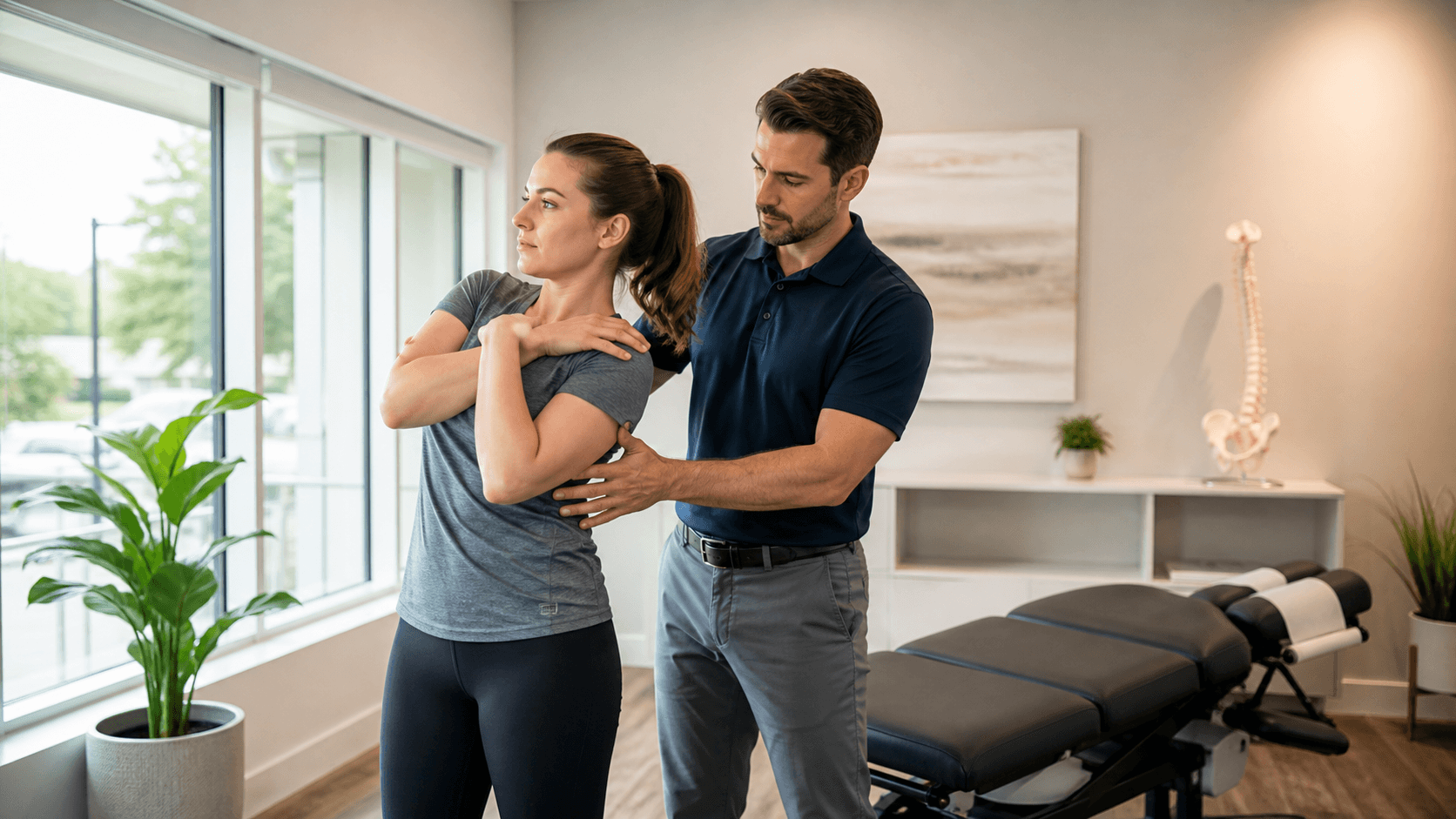
- Shoulder pain from overuse, lifting, or previous injuries
- Elbow and ankle discomfort from repetitive work or hobbies
The aim is not simply to feel better for a day. The intention is to help the joint move more smoothly, with less stiffness and catching, so your body can support a life that feels refined, capable, and free.
At Life Refined Chiropractic, Softwave is used as part of a comprehensive, elevated care plan. We may pair it with:
- Gentle, precise chiropractic adjustments
- Corrective exercises to retrain posture and movement patterns
- Supportive therapies such as therapeutic massage or guided stretching
This integrated approach addresses not only the painful area, but also the underlying patterns that contributed to the problem, helping you move toward lasting, elegant function rather than short‑term relief.
What to Expect From Your Softwave Experience at Life Refined
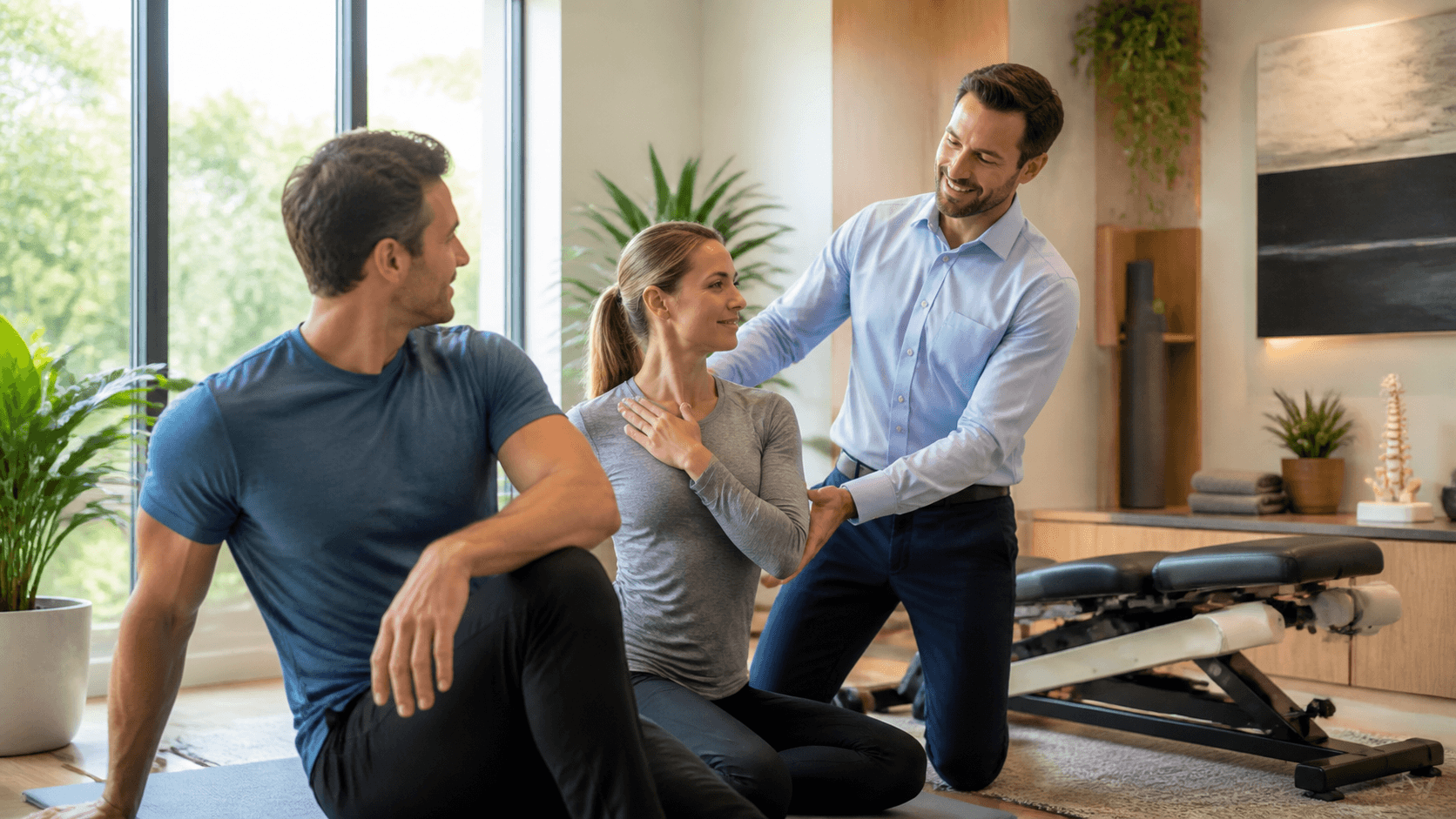
From the moment you step into our Noblesville clinic, the focus is on comfort, clarity, and calm. The environment is intentionally peaceful and spa‑like, with a refined, welcoming atmosphere designed to help your nervous system relax before care even begins.
A typical first visit for Softwave therapy includes:
- A detailed health history and thoughtful conversation about your goals and lifestyle
- A thorough assessment of posture, movement, and key areas of concern
- A clear, personalized plan that explains where Softwave fits into your overall care
During the actual Softwave session, you will be in a relaxed position, often lying down or comfortably seated. We apply gel to the skin, then glide the device smoothly over the area we are addressing. We adjust the intensity so that it is effective while remaining tolerable and respectful of your comfort. You are always encouraged to share how the experience feels.
Most people notice:
- Mild to moderate pulsing or tapping
- Brief periods of stronger sensation over irritated or sensitized spots
- A gradual sense of release or ease in the treated region
Sessions are typically brief, and there is usually no need to change clothing beyond allowing access to the area being treated.
The expected number of sessions can vary, depending on your specific needs and goals. Many people begin to notice meaningful changes in:
- The depth or sharpness of their pain
- How easily they rise from a chair or get out of bed
- How far they can walk, reach, or participate in daily activities without increased discomfort later
We monitor progress regularly and refine frequency, intensity, and supportive care based on how your body responds, always aiming for lasting, substantive improvements that support the way you want to live.
Who Is a Good Candidate for Softwave Therapy in Indiana
Softwave therapy in Indiana can be a good fit for many people living with disc and joint issues, especially those who value staying active and independent. Common examples include:
- Active adults who want to remain engaged in golf, tennis, running, or other preferred activities
- Parents who are tired of back or neck pain limiting playtime or daily routines
- Older adults who want to continue walking, gardening, or traveling with less joint stiffness and more ease
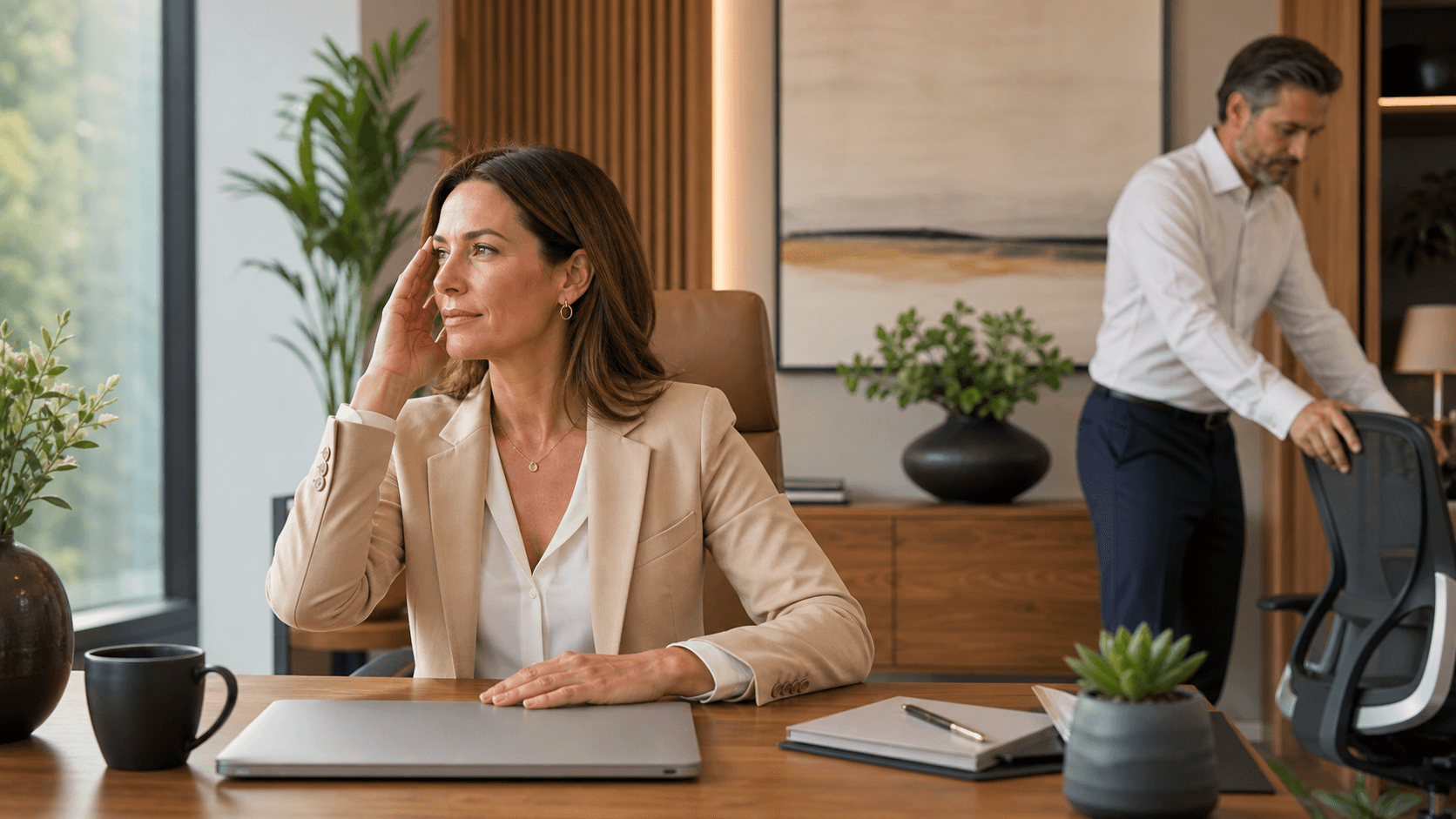
- Professionals with nagging neck, shoulder, or low back pain from long hours of focused work
Softwave is not appropriate in every situation. In some cases, we may recommend:
- Imaging such as X‑rays or other studies before beginning care
- Coordination with your medical provider for certain health conditions
- Alternative or additional therapies if Softwave is not a safe or optimal match
We always begin with a careful, attentive evaluation to understand:
- What is contributing to your pain or limitation
- How long it has been present and how it has changed over time
- What you most want to be able to do comfortably again
From there, we can determine whether Softwave is likely to be appropriate, whether it should be combined with other forms of care, or whether a different approach would better support your safety and long‑term well‑being.
At Life Refined Chiropractic, our goal is to help every person move toward their highest expression of health and function. Softwave therapy is one of the advanced, noninvasive tools we offer to support that vision, especially for those who are ready for disc and joint pain to stop dictating how they move, feel, and live each day.
Relieve Pain And Restore Your Active Lifestyle
If pain or slow healing is holding you back, our team at Life Refined Chiropractic is ready to help you explore how softwave therapy in Indiana can support your recovery. We focus on personalized care plans that fit your goals so you can move with more confidence and less discomfort. To schedule a visit or ask questions about whether this therapy is right for you, contact us today.